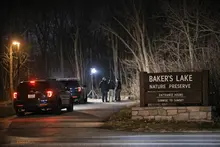
Eleven girls and young women have filed a civil lawsuit alleging they were secretly recorded while changing into uniforms at Flavor Frenzy, a neighborhood ice cream shop on West Lake Street in Addison. Their attorney described the environment as “a shop of horrors,” and the suit contends a camera was hidden inside a restroom electrical outlet at 48 W. Lake St., where employees were required to dress, according to reporting by the Chicago Tribune.
What happened
The lawsuit, filed by eleven plaintiffs, centers on claims that the owner of Flavor Frenzy covertly recorded workers as they changed in the shop bathroom. The device was allegedly concealed in an electrical outlet, and the plaintiffs say they were directed to use that restroom to put on their uniforms, according to the Chicago Tribune.
The allegations have rattled Addison, a diverse suburb of roughly 35,702 residents, where nearly half of the population—about 45.61%—identifies as Hispanic or Latino, census data shows. Median household income is about $68,534, shaping how families access services and support programs, according to Wikipedia.
Legal fallout
The civil claims arrive alongside a separate criminal case. Steven Weisberg, 58, of Buffalo Grove, was indicted in September on 66 counts of child pornography, a Class X felony, and 32 counts of unauthorized video recording. He has pleaded not guilty and is being held without bond in DuPage County Jail, according to the Chicago Tribune. Court records also indicate investigators were seeking an additional, unspecified warrant, the Tribune reported, underscoring that the investigation is ongoing.
The criminal prosecution and civil lawsuit will proceed on distinct tracks: prosecutors must prove criminal charges beyond a reasonable doubt, while the plaintiffs seek civil remedies for alleged harms. Illinois law criminalizes sexual exploitation of minors and unauthorized recording in places where people reasonably expect privacy, such as restrooms and changing areas. Those provisions underpin the charges and potential civil claims in this case, as outlined by the Illinois General Assembly.
Community and business implications
Flavor Frenzy’s situation has immediate consequences for the business and the broader Addison community. Beyond the legal jeopardy, the shop faces reputational damage, possible licensing scrutiny, and public-safety concerns that can ripple to employees and neighboring merchants, according to the Chicago Tribune. Such incidents can depress foot traffic, complicate staffing, and strain trust in small storefronts that serve as neighborhood gathering places.
Addison’s demographic profile suggests additional considerations for outreach and victim services. Language access, culturally competent counseling, and affordability can shape whether victims and families engage resources. With a large Hispanic or Latino population and varied income levels, ensuring that information and services reach all communities will be crucial, according to Wikipedia.
What victims and families can do
State guidance emphasizes immediate safety and careful documentation. The Illinois Attorney General advises:
- Preserve potential evidence, including messages, devices, and clothing.
- Report incidents to law enforcement and cooperate with investigators.
- Seek medical care if needed and use trained forensic providers when appropriate.
- Connect with victim-witness programs for counseling and support services.
- Consult an attorney experienced in privacy, child protection, or personal-injury law to consider civil options and protective orders.
- Avoid sharing sensitive details publicly to protect privacy and ongoing investigations.
Steps businesses can take now
Consumer-protection guidance encourages proactive measures to reduce the risk of covert recording. The Federal Trade Commission and related best practices suggest small businesses should:
1) Conduct regular, documented inspections of restrooms and other private areas for hidden devices, checking outlets, vents, and fixtures.
2) Restrict and log access to maintenance spaces; supervise contractors and service providers.
3) Post and enforce clear privacy policies for restrooms and changing areas.
4) Use designs that limit concealment opportunities in single-occupant restrooms.
5) Train staff to spot suspicious devices and behaviors; create confidential reporting channels.
6) Schedule third-party safety audits and, if an incident occurs, communicate promptly and transparently with customers and authorities.
These steps can complement local enforcement and reassure patrons in the wake of high-profile allegations, according to the operational and reputational concerns identified by the Chicago Tribune.
What comes next
As the criminal case proceeds and the civil lawsuit moves through the courts, Addison officials, business owners, and families will be watching closely. The felony indictment and reported search for an additional warrant signal that investigators are still at work, according to the Chicago Tribune. In the meantime, the legal framework against unlawful recording and child exploitation provides the road map for prosecutors and plaintiffs alike, as set out by the Illinois General Assembly, while victim resources from the Illinois Attorney General remain vital for those seeking help.
For a community that prides itself on close-knit storefronts and family-centered gathering spots, the case has become a test of trust—and of the safeguards meant to protect young workers where they should feel safest.