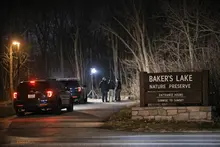
Note to readers: The provided source materials contain no direct reporting or named incidents in Barrington, Illinois. What follows is a source‑backed look at the documented enforcement campaign in the Chicago region and a careful, clearly labeled contextual analysis of how those patterns and policies could plausibly affect a suburb like Barrington. This contextual analysis is not new fact reporting about Barrington.
What’s happening — and why it matters in the suburbs
The Department of Homeland Security launched an aggressive enforcement push in the Chicago area in early September under the banner of Operation Midway Blitz, targeting what officials described as “criminal illegal aliens” while criticizing local “sanctuary” policies, according to Wikipedia. The operation has involved large numbers of federal personnel and staging at nearby facilities, underscoring a scale and tempo unusual for the region, Wikipedia notes.
Arrest totals remain in dispute. Some accounts have described “hundreds” of arrests tied to the blitz, according to Wikipedia. A separate account cited “over 1,000” arrests statewide, including a controversial apartment sweep that detained 37 people — among them children and U.S. citizens — as reported by Time. Differences in timing, geography and methodology likely explain the gap, but the split underscores a core transparency issue for residents seeking clarity.
The political backdrop has intensified the stakes. In response to federal actions, Chicago Mayor Brandon Johnson created “ICE‑free zones” that limit warrantless access by immigration officers to city properties like schools, libraries and parks, and discourage cooperation from unwilling private businesses, as reported by Time. Illinois leaders have also joined litigation challenging elements of the federal approach, including National Guard involvement, Time reports. Questions about the operation’s legality and intergovernmental coordination have been raised as well, according to Wikipedia.
How communities have responded
Beyond City Hall, the response has been rapid and visible. Faith groups coordinated gatherings and resources for immigrant families. Hotlines set up to document sightings and field legal questions lit up early, confirming elevated enforcement activity, according to Wikipedia. Protests and monitoring actions — particularly around federal holding and processing sites — have become a regular feature of the regional landscape, as documented by Wikipedia and Time.
These mobilizations have paired know‑your‑rights education with practical tactics: documenting badge numbers, recording encounters when safe, and routing families to attorneys. Advocates frame the strategy as harm reduction during a volatile enforcement wave, according to Wikipedia.
Contextual analysis: What this could mean in Barrington
No sources provided to this newsroom detail federal actions in Barrington itself. But the operational patterns documented in the region suggest several plausible local effects in a suburb with retail corridors, commuter routes, schools and faith communities like Barrington:
- School routines and extracurriculars may feel unsettled for mixed‑status families if regional patrols or rumors spike anxiety, a pattern tied to broader enforcement surges in other communities, according to Stray Trees.
- Small businesses could see shifts in staffing and customer foot traffic as workers and patrons avoid public spaces, Stray Trees reports.
- Residents may be less inclined to report crimes or cooperate as witnesses out of fear, eroding trust with local institutions, per Stray Trees.
- Faith groups and civic organizations — which have already mobilized in the metro area — might serve as coordinating hubs for legal referrals and emotional support if similar needs arise locally, according to Wikipedia.
This analysis does not assert these outcomes are occurring in Barrington today. It reflects how the region’s documented enforcement dynamics could plausibly ripple into a North‑Northwest suburban context.
Know your rights during ICE encounters
Legal guides from GovFacts and Godoy Law Office emphasize the following rights for anyone approached by immigration officers:
- You have the right to remain silent. You do not have to answer questions about immigration status. State, “I wish to remain silent and I want to speak with an attorney.”
- You can refuse entry to your home without a valid warrant signed by a judge. Ask to see the warrant through a window or slid under a door.
- You have the right to an attorney before signing anything. Do not sign documents without legal advice.
- You can refuse a search of your home, car or belongings unless officers present a valid warrant. Do not physically resist.
- You may record the encounter when it is safe to do so. Note badge numbers, names, time and location.
What officials say — and what’s disputed
Federal officials frame the blitz as a focused effort against dangerous offenders in a city they argue frustrates immigration enforcement, according to Wikipedia. City and state leaders counter that the operation needlessly sows fear, and they have moved to limit warrantless access to public spaces and challenge federal deployments in court, as reported by Time.
Even basic metrics remain unsettled. Reported arrest totals — “hundreds” versus “over 1,000” — vary by source, per Wikipedia and Time. Legal experts and officials have raised concerns about warrant practices and federal‑state coordination, according to Wikipedia and Time. Those questions are central to ongoing litigation over the scope of federal authority in sanctuary jurisdictions.
Community actions to consider
Based on documented responses in Chicago and established legal guidance, the following steps have helped other neighborhoods prepare and de‑escalate, according to Wikipedia, GovFacts, Godoy Law Office, Stray Trees and Time:
- Run multilingual know‑your‑rights trainings, with wallet cards for teens and adults.
- Coordinate legal rapid‑response rosters and clear intake lines for families of detainees.
- Train volunteers to document encounters safely and share evidence with counsel.
- Expand school‑based counseling and emergency relief funds to buffer family disruptions.
- Maintain communication with municipal officials to log activity patterns and pursue lawful oversight.
What remains unclear
Key uncertainties include the true scope of arrests, the frequency and basis of warrant‑backed entries, and the trajectory of lawsuits challenging Guard deployments and other federal actions, according to Wikipedia and Time. Until courts or official tallies resolve those questions, residents across the metro area will be navigating a moving target.
For Barrington, the practical bottom line is vigilance without panic. The enforcement campaign’s scale and the region‑wide mobilization — from legal hotlines to protest zones — are documented. So is the collateral stress these operations can inflict on families and institutions, as described by Stray Trees. The developments to watch next: whether arrest counts converge, how the courts rule on deployment and authority, and whether federal tactics or local countermeasures shift. Those answers will shape how far, and how deeply, the ripple effects reach suburbs like Barrington.